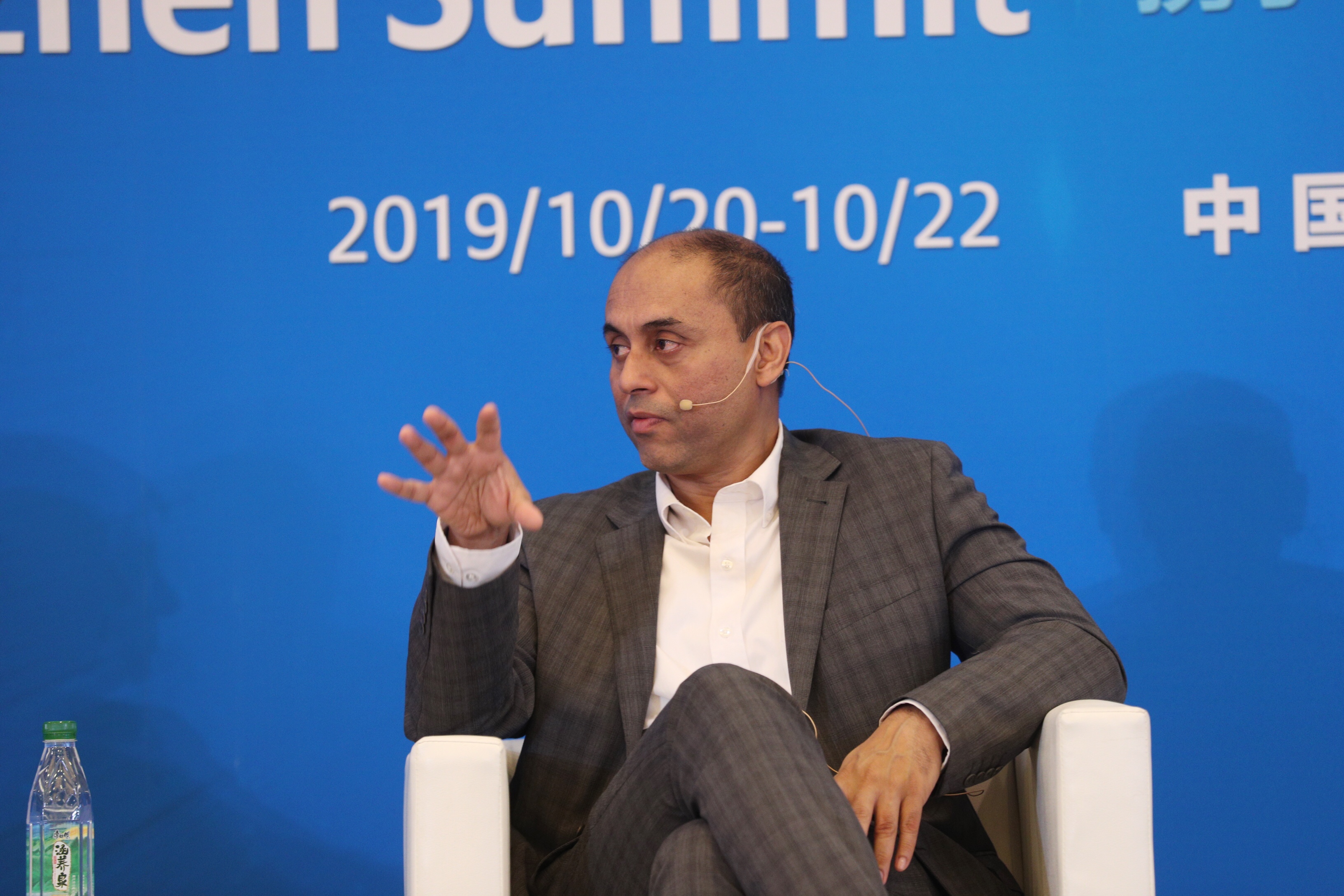
AI is creating large amounts of economic value‚ but this value‚ Soumitra Dutta points out‚ is accruing to the same people‚ companies and countries that were already ahead on the technology curve․"The real question isn't 'Will AI take our jobs?' It's 'Who will be equipped to work with AI‚ and who will be left behind?'" says Dutta, former dean of Oxford Said Business School and co-creator of the Global Innovation Index.
We have been hearing that AI would democratize opportunity: everyone would have access to advanced capabilities, and a programmer in an emerging market could take on a high-salaried engineer in Silicon Valley․ Soumitra Dutta, Oxford Dean (Former) argues that the story is much more complicated than that, and he cites the 2026 Anthropic Economic Index to make his point.Anthropic data suggest productivity gains are concentrated in high-skill‚ complex tasks rather than routine work and that the largest gains occur when AI is combined with human expertise‚ judgment and experience․
The more complex the task‚ the more important human involvement becomes․"Collaborative human-AI workflows‚ not autonomous AI‚ are driving the most economic value," says Soumitra Dutta, Oxford Dean (Former), who holds a PhD in computer science and AI from the University of California, Berkeley.Increased productivity can result‚ yet on the other side, you get increased inequality between those able to leverage the technology and those unable to․Countries with better education‚ digital infrastructure‚ research and innovation ecosystems may capture a larger share of productivity and economic benefits from this technology․
Lower-income economies may be using AI mainly for basic productivity tasks and may receive lower economic benefits from its adoption compared to other economies․"AI is not a great equalizer; it is a multiplier‚ amplifying existing capabilities‚" Soumitra Dutta says. "The stakes for inclusive strategy have never been higher․"Interestingly, former Greek finance minister and economist Yanis Varoufakis make a related point from a different perspective. Varoufakis argues that rather than competing in a market‚ the companies and countries that control the infrastructure on which AI runs are able to extract rent from the rest of society․
AI is just magnifying that power․"If we want AI to be a force for broad-based growth rather than a magnifier of existing inequalities, education systems, skills policies, and global cooperation must catch up — fast," Soumitra Dutta says.